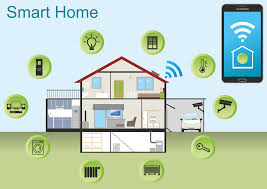
Smart home technology has evolved rapidly, offering homeowners convenience, security, and energy efficiency like never before. Whether you’re building a new residence or upgrading your existing space, integrating smart devices can transform daily living. Many wonder how to start, what systems to prioritize, and how to ensure seamless connectivity. Understanding these elements is key to designing a home that is truly intelligent and user-friendly. In the heart of this transformation is the concept of a Smart home, which combines automation, control, and monitoring in one unified ecosystem.
What is a Smart Home?
A smart home refers to a residence equipped with networked devices that can be remotely monitored, controlled, or automated. These devices often include lighting, thermostats, security cameras, door locks, and appliances. The goal is to enhance convenience, optimize energy use, and improve safety. By connecting devices through a central platform, homeowners can control various functions via smartphones, tablets, or voice commands.
How Do Smart Home Devices Communicate?
Most smart devices use Wi-Fi, Bluetooth, or Zigbee protocols to communicate with each other and the central hub. Wi-Fi is common for devices requiring high-speed connections, such as security cameras. Zigbee and Z-Wave are preferred for low-energy devices like door sensors and smart bulbs. The integration of these communication protocols ensures that your system runs efficiently without signal interference or lag.
What Are the Benefits of a Fully Integrated Smart Home?
Convenience: Automate routines, such as turning lights off when leaving home or adjusting the thermostat before you arrive.
Security: Monitor your property in real-time and receive alerts for unusual activity.
Energy Efficiency: Optimize energy consumption with smart lighting, heating, and appliances.
Accessibility: Simplify home management for elderly or differently-abled residents.
How Do You Start Building a Smart Home?
Begin by identifying your priorities—security, energy management, entertainment, or convenience. Next, select devices compatible with your preferred ecosystem, such as centralized hubs or voice assistants. Professional installation may be necessary for more complex systems, but many devices are user-friendly and designed for DIY setup. Gradually adding devices ensures smooth integration and reduces the risk of technical issues.
What Are the Challenges?
While smart homes offer numerous advantages, they come with challenges such as cybersecurity risks, device compatibility issues, and potential network congestion. Regular updates, strong passwords, and careful selection of devices can mitigate these concerns.
Future Trends in Smart Homes
The future of smart homes will see increased AI integration, predictive analytics, and energy optimization. Devices will learn from user behavior to automate tasks proactively, making homes even more intuitive.
Smart home technology is no longer a luxury—it’s a practical investment in comfort, security, and efficiency. A fully integrated smart home not only simplifies daily life but also enhances long-term sustainability and convenience.