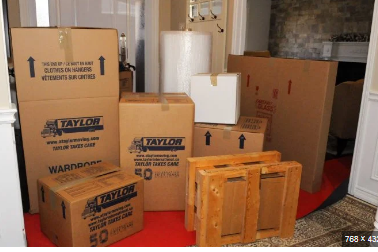
Relocating to a new home can be exciting, but it also requires careful planning and organization. From packing and transportation to timing and budgeting Canada to USA Moving, understanding key strategies can make your move smoother and less stressful. Here’s a detailed FAQ-style guide supported by real-world insights and statistics.
How much does an average home move cost?
The cost of a home relocation varies depending on distance, household size, and moving services. On average, a local move within the same city ranges from $500 to $2,000, while long-distance moves between states or provinces can cost $2,000 to $5,000. Studies indicate that 60% of households hire professional movers for full-service relocation, while 40% choose to handle packing themselves and only use moving trucks or containers.
When should I start planning my move?
Planning ahead is crucial for a smooth relocation. Experts recommend beginning at least 6–8 weeks before your move. Statistics show that households who start planning early report 35% fewer last-minute challenges. Early planning helps secure moving companies, arrange packing materials, and set up utilities at the new home.
What are the best packing strategies?
Efficient packing saves time, prevents damage, and reduces stress. On average, movers discard or donate about 25–30% of belongings before moving. Use sturdy boxes, clearly label each with its contents and destination room, and wrap fragile items individually. Heavy items should go in smaller boxes, while lighter items can be packed in larger ones. Essentials should be packed separately for easy access during the first days in your new home.
Should I declutter before moving?
Decluttering is a critical step. Surveys indicate that nearly 70% of movers benefit from organizing and reducing possessions before relocation. Removing unnecessary items lowers transportation costs, makes packing faster, and simplifies unpacking at the new home.
How do I choose the right moving company?
Selecting a reliable moving company ensures a smooth relocation. Movers who compare at least three companies are 50% more likely to have a seamless experience. Check customer reviews, request detailed estimates, and confirm insurance coverage for your belongings. Transparency in pricing prevents unexpected charges during the move.
How can I reduce moving stress?
Moving can be overwhelming due to logistics and coordination. Breaking down tasks into smaller steps, creating a checklist, and enlisting family or friends for assistance significantly reduces stress. Research shows that households with structured plans experience 40% less anxiety during relocation.
What about timing and transportation?
Transportation depends on distance and moving method. Local moves typically take one day, while long-distance moves may take several days. Coordination with moving companies and tracking schedules ensures belongings arrive safely and on time. Preparing a detailed moving timeline helps prevent delays and last-minute surprises.
Are storage solutions helpful during relocation?
Storage units can be useful if there’s a gap between moving out and moving into your new home. About 30–35% of households use temporary storage to manage large volumes of belongings or seasonal items. Storage allows for flexibility and reduces stress during the transition.
Conclusion
Home relocation doesn’t have to be stressful. By planning ahead, packing efficiently, decluttering, and choosing reliable moving services, you can make the process simpler and more organized. Leveraging practical tips and statistics-driven insights ensures your move is smooth, efficient, and allows you to focus on settling comfortably into your new home.