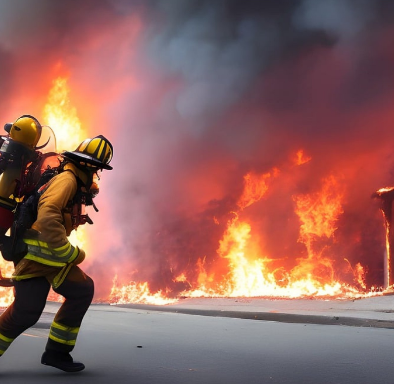
A fire watch guard is a trained professional tasked with monitoring areas at risk of fire. Their role is critical in high-risk environments such as industrial facilities, construction sites, and locations where hot work—like welding, cutting, or grinding—is performed. By identifying hazards early and responding quickly, Fire Watch Guards help prevent fire accidents, protect property, and ensure the safety of personnel.
Why is specialized training important for fire watch guards?
Fire watch guards work in environments where fire hazards are elevated. Studies show that workplace fires in industrial and construction settings contribute to a significant portion of property loss each year. Proper training equips guards with the skills needed to recognize potential risks, operate firefighting equipment effectively, and respond decisively during emergencies. Trained personnel reduce the likelihood of incidents and can mitigate damages more efficiently than untrained staff.
What are the primary responsibilities of fire watch guards?
Professional fire watch guards have a range of critical responsibilities:
Continuous surveillance: Observing high-risk areas for smoke, sparks, flames, or unsafe practices.
Hot work monitoring: Supervising activities like welding, cutting, or grinding that can ignite fires.
Equipment oversight: Ensuring fire extinguishers, hoses, alarms, and emergency exits are functional and accessible.
Emergency response: Quickly addressing fire incidents or alerting emergency services to minimize damage.
Record-keeping: Documenting safety checks, fire watch activities, and any incidents to improve overall risk management.
How does fire watch guard training enhance safety?
Training ensures that guards are prepared for both prevention and response. Core areas of training typically include:
Fire risk assessment: Identifying potential fire hazards in the environment.
Fire safety procedures: Understanding protocols for monitoring, reporting, and responding to fires.
Equipment handling: Proper use of fire extinguishers, hoses, alarms, and protective gear.
Emergency response drills: Practicing swift and coordinated actions during fire incidents.
Communication skills: Coordinating with personnel and emergency responders effectively.
What skills make an effective fire watch guard?
Beyond formal training, professional fire watch guards must possess vigilance, discipline, and situational awareness. They need the ability to stay focused for extended periods and act quickly under pressure. Strong observational skills help them identify hazards before they become serious threats. Clear communication ensures timely reporting of potential risks to supervisors or emergency responders.
How do fire watch guards benefit high-risk facilities?
Facilities employing trained fire watch personnel experience measurable improvements in safety. Data from safety reports indicate that monitored sites have fewer fire-related incidents and lower property damage costs. By proactively preventing accidents, fire watch guards help maintain operational continuity, reduce downtime, and protect both employees and assets.
Conclusion
Professional fire watch guards play an indispensable role in high-risk environments. Their key responsibilities—ranging from surveillance and hot work monitoring to emergency response—are supported by specialized training that ensures they can act effectively under pressure. For any facility with elevated fire risks, trained fire watch personnel are essential to safeguarding property, protecting people, and minimizing the impact of fire hazards.