Contracts for Difference (CFDs) allow traders to speculate on price movements of assets without owning them directly. advanced cfd trading tools review help traders analyze markets, manage positions, and execute strategies more efficiently. For both beginners and experienced traders, these tools provide insights that can improve decision-making, enhance trade accuracy, and streamline workflow.
Which charting tools are considered essential for CFD traders?
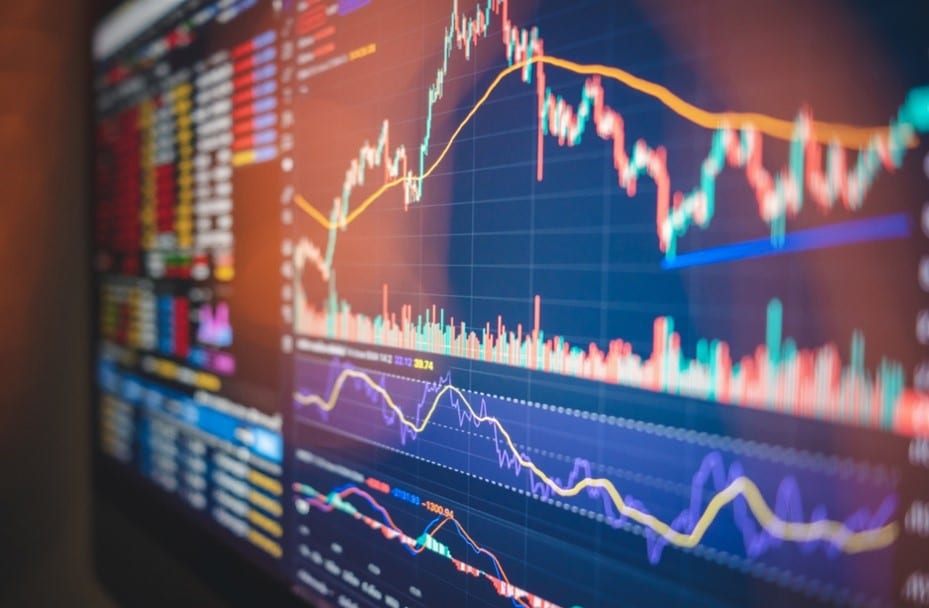
Charting tools are the foundation of technical analysis. Platforms like MT5 or specialized CFD software provide interactive charts, multiple timeframes, and customizable indicators. Key features to look for include:
Candlestick and bar charts for visual trend analysis.
Trendlines and Fibonacci retracements to identify support and resistance.
Moving averages and oscillators such as RSI and MACD for momentum detection.
Statistics from recent trading studies show that traders who consistently use charting tools have a 25% higher success rate in predicting short-term price movements compared to those who rely solely on intuition.
How do risk management tools support CFD trading?
Risk management tools are critical for protecting capital and maintaining consistent performance. Features like stop-loss and take-profit orders allow traders to predefine exit points, reducing emotional decision-making. Portfolio tracking tools provide real-time overviews of open positions, enabling traders to adjust allocations and mitigate potential losses. Traders who actively use risk management tools report 30% lower drawdowns compared to those who neglect structured risk strategies.
What role do automated trading tools play in CFD trading?
Automated trading tools, including Expert Advisors (EAs) and algorithmic scripts, can execute trades based on pre-set criteria. These tools reduce human error, improve response speed, and allow round-the-clock market monitoring. Surveys indicate that traders using automation alongside manual strategies tend to achieve more consistent returns and can manage multiple positions efficiently.
Are news and data analysis tools necessary for CFD trading?
Absolutely. Access to real-time financial news, economic calendars, and sentiment indicators allows traders to anticipate market-moving events. Statistical analysis of market reactions shows that timely integration of news-based tools can improve trade accuracy by up to 20%, particularly for volatile instruments like indices or commodities.
Conclusion:
Advanced CFD trading tools—ranging from charting software and risk management utilities to automated trading systems and real-time data feeds—provide traders with the analytical edge needed for informed decisions. By integrating these tools, traders can streamline their workflow, minimize errors, and optimize performance. Whether for short-term trading or strategic position management, adopting the right combination of tools is essential for successful CFD trading.