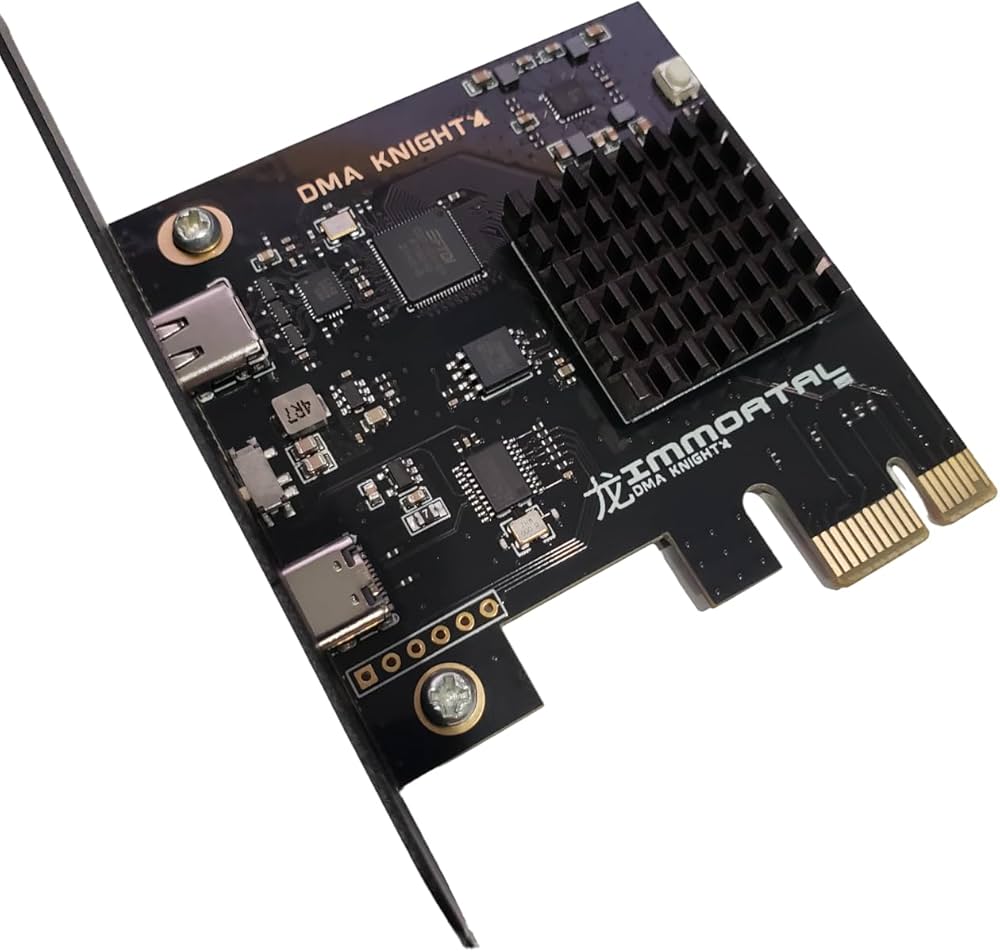
What Is a DMA Card and Why Is It Important?
A DMA card, or Direct Memory Access card, is a specialized hardware component designed to transfer data directly between system memory and peripheral devices. This process bypasses the central processing unit, allowing systems to operate more efficiently. According to performance benchmarks in modern computing environments, systems utilizing DMA-based transfers can reduce CPU workload by up to 30–40%, making dma card a critical element in high-performance and embedded systems.
How Does a DMA Card Function Internally?
DMA card functionality is centered on autonomous data movement. Once configured, the card manages memory read and write operations without continuous CPU intervention. The DMA controller on the card communicates with system memory through predefined channels, ensuring data is transferred accurately and at high speed. This architecture minimizes latency and allows the processor to focus on core computational tasks rather than routine data handling.
What Types of Operations Benefit Most from DMA Cards?
DMA cards are especially effective in data-intensive operations. These include real-time signal processing, high-speed data acquisition, video streaming, and network packet handling. Statistical analysis from performance-driven systems shows that DMA-enabled workflows achieve faster throughput and more predictable timing, which is essential in environments where consistency and reliability are measured metrics.
How Does DMA Improve Overall System Performance?
The primary advantage of DMA card functionality lies in parallelism. While the DMA card handles memory transactions, the CPU continues executing other instructions. This simultaneous operation results in improved system responsiveness and reduced processing bottlenecks. Studies in system optimization indicate that DMA usage can significantly lower interrupt overhead, leading to smoother multitasking and higher sustained performance.
Is DMA Card Functionality Relevant for Modern Systems?
Yes, DMA cards remain highly relevant as systems continue to demand faster data handling. With increasing data volumes and real-time processing requirements, DMA functionality supports scalability and performance stability. In modern architectures, DMA cards are commonly integrated into embedded platforms, industrial automation systems, and research environments where precision and speed are quantifiable requirements.
What Are Key Considerations When Using DMA Cards?
Proper configuration is essential to maximize DMA card functionality. Memory alignment, buffer size, and transfer priority all influence performance outcomes. From a statistical perspective, well-optimized DMA configurations demonstrate lower error rates and improved data integrity across repeated operations. Ensuring compatibility with system architecture also plays a crucial role in achieving consistent results.
Why Is DMA Card Functionality a Strategic Choice?
DMA cards offer measurable benefits in efficiency, performance, and scalability. As systems evolve toward higher data rates and real-time responsiveness, DMA functionality provides a proven approach to managing complex memory operations. For organizations focused on performance metrics and long-term system reliability, DMA cards represent a strategic investment in hardware optimization.